Column · @getgironafulldaytourtips
Choosing a Day Out from Barcelona That Suits How You Travel
Picking the right full-day outing from Barcelona is less about finding the grandest itinerary and more about matching the day to your pace, interests and practical limits. Eixample is a convenient starting point for many visitors, with excellent transport links and a dense mix of hotels, cafes and shops. Once you begin comparing options, the differences can feel subtle. The best choice is usually the one that fits your energy level, leaves room for the unexpected and avoids turning a relaxed day into a race.
A good decision starts before you look at any itinerary. Think about who is travelling, what kind of day would feel rewarding and how much structure you want. A full-day outing can be a rich, easy experience when the pace suits the group, but the same plan can feel tiring if it asks too much walking, too many stops or too much waiting. Clear priorities make every later choice simpler.
Set your pace before comparing plans
Start with the physical shape of the day. Some travellers enjoy a packed route with historic streets, cathedral views, shops and a long lunch. Others prefer one main area, a slower meal and time to sit with a coffee. Neither approach is better in isolation. The right one depends on how much walking feels comfortable, how early you are willing to start and whether you need breaks at fixed times.
Pay attention to the route, not just the list of highlights. A day that looks short on paper can still involve steep lanes, cobbled streets and long stretches between stops. In warm months, midday heat can make even a modest route feel heavy. If you are travelling with children, older relatives or anyone who needs regular pauses, give extra weight to plans with free time and clear meeting points.
Also decide how much guidance you want. Some people like a set route with a knowledgeable leader who can explain what they are seeing. Others would rather have a simple framework and explore at their own speed. Guided days tend to feel smoother, while independent time allows more spontaneity. A balanced plan can work well when it includes a short guided section and enough open time to wander.
Work out what you actually want to see
Write down the two or three things that matter most to you. That might be medieval streets, a cathedral, local food, a museum, river views, photography or a mix of these. A full day is not improved by trying to include everything. In fact, a shorter list often creates a better experience because you have time to notice details.
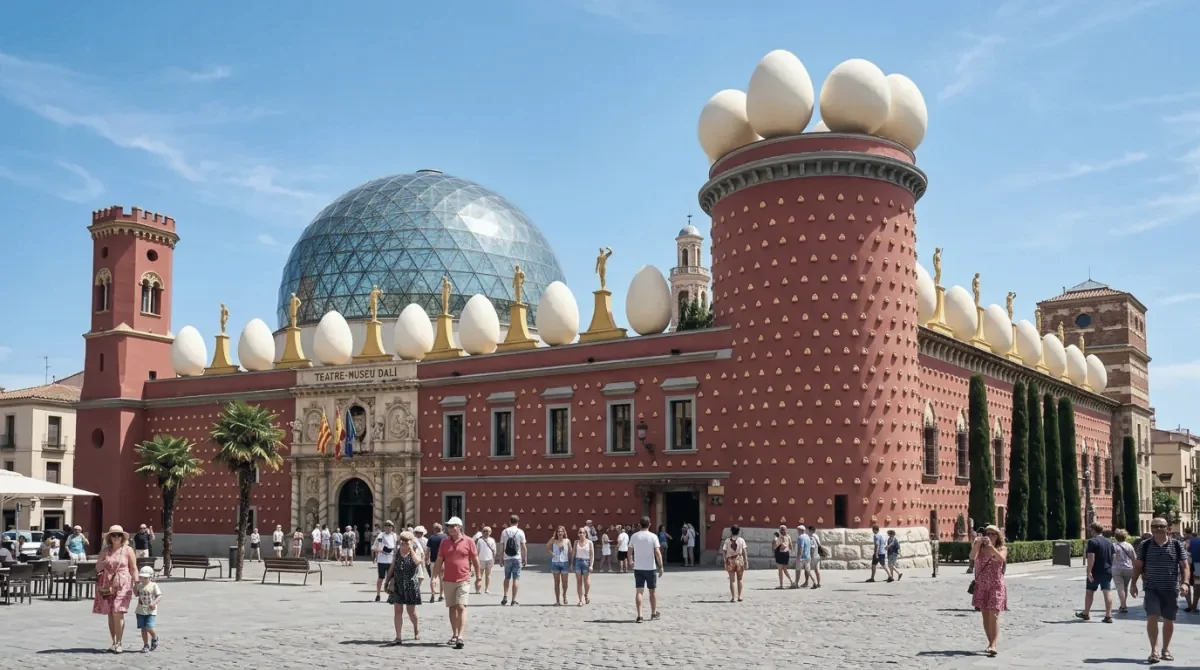
When comparing a girona full day tour, look closely at how the route handles the places on your list. A plan may mention a famous landmark but allow only a brief stop, which can feel rushed if that landmark is your main reason for going. Another plan may spend longer in one neighbourhood and skip a site you care about. Neither is a flaw by itself. It becomes a problem only when the itinerary does not match your priorities.
Think about the balance between famous sights and everyday texture. Historic centres often reward slow observation: narrow lanes, stone façades, small squares, markets and quiet corners away from the busiest streets. If the plan only moves between major photo spots, the day can feel shallow. If it leaves room to walk without a strict timetable, it may feel more personal.
Check the practical details that shape the day
The best itinerary is useless if the logistics do not fit. Begin with the meeting point and the return point. From Eixample, check how you would reach the starting location and how you would get back at the end of the day. A central meeting point is helpful, but only if you know how long it takes to arrive at the right time. Allow a margin for delays, especially if you are staying farther from the main station.
Transport is another point worth checking. Some days involve a train or coach, while others include transfers between several points. Ask yourself whether you are comfortable with early departures, station changes and waiting in public spaces. If you are sensitive to motion sickness, look for a plan with fewer winding road sections or build in time to recover.
Food also deserves attention. A full day without a proper meal can drain the enjoyment out of even a beautiful route. Check whether there is a scheduled lunch, a free lunch break or just a short tasting stop. If you have dietary needs, confirm them with whichever business you choose before you commit. Do not assume that every stop will suit your preferences or that there will be time to buy something suitable nearby.
Weather can change the feel of the day. Bring comfortable shoes, a water bottle and a light layer, even when the morning looks warm. In rainy conditions, cobbled streets can be slippery and outdoor pauses less pleasant. If a plan depends heavily on open-air time, consider how it would feel in heat, rain or wind. A little preparation helps you stay focused on the place rather than on discomfort.
Read the itinerary like a timetable, not a brochure
Marketing descriptions often use broad language, so read the sequence carefully. Look at when the day starts, how long each stop lasts, whether meals are included in the schedule and how much free time is built in. A route with many stops may sound generous, but short visits can leave you moving constantly. A route with fewer stops may feel relaxed, but it should still cover the things you want to see.
Watch for vague wording around key moments. Terms such as scenic stop, photo opportunity or free time can mean very different things. If one of these moments matters to you, confirm what it involves. It is also sensible to check whether entry to attractions is part of the plan or arranged separately. When details affect your budget or your schedule, ask before paying rather than after.
Group size can change the experience more than people expect. A smaller group usually makes it easier to ask questions and move through busy streets. A larger group may still work well if the pace is clear and the leader manages transitions smoothly. If you value quiet, look for a plan that avoids peak crowd times or includes enough independent time away from the group.
Compare value in practical terms
Value is not the same as the lowest price. A cheaper option may leave you paying separately for transport, entry tickets, meals or extra time. A higher priced option may feel better organised, but only if the route and pace fit your needs. Compare what is included, what you must arrange yourself and how much flexibility you keep during the day.
It helps to make a simple side-by-side comparison. Use the same categories for each option so that small differences become clear. For example:
- Route: the places visited and the time allowed at each one.
- Transport: how you travel, where you meet and where the day ends.
- Pace: walking distance, breaks and free time.
- Inclusions: meals, entry arrangements and guided commentary.
- Flexibility: what happens if you want to linger or skip a stop.
This kind of comparison keeps the decision grounded. It also makes it easier to spot a plan that looks attractive but asks you to compromise on something important. A day out should fit the way you travel, not force you into a timetable that ignores your needs.
At this stage, it can also help to search using a plain phrase such as girona full day tour and then judge results by the quality of their details rather than by the wording of the headline. A clear description with specific timings, meeting arrangements and route information is usually more useful than a broad promise of a memorable experience. If key facts are missing, ask before you book.
Ask the right questions before you commit
Before choosing, check the points that could affect your day. A short message with clear questions is often enough to reveal whether a plan fits. Keep your questions direct and practical, especially if you are travelling with a group or have a fixed schedule.
- What is the total walking distance, and are there steep or uneven sections?
- How much free time is included, and where can it be spent?
- Are meals, tastings or entry arrangements part of the schedule?
- What is the cancellation policy if plans change?
If an answer is unclear, treat that as a reason to pause rather than guess. A well-run day is easier to enjoy when expectations are set early. This is also the moment to confirm anything personal, such as dietary requirements, mobility needs or the need to return by a particular time. These details may not be obvious from a general description, but they can decide whether the day feels comfortable.
One local option is Girona Full Day Tour. Local businesses such as Girona Full Day Tour can be considered alongside other options while you compare routes, timings and practical details.
Girona Full Day Tour, Carrer d'Alí Bei, 80, Eixample, 08018 Barcelona, Spain, can be contacted on +34 632 93 79 41.